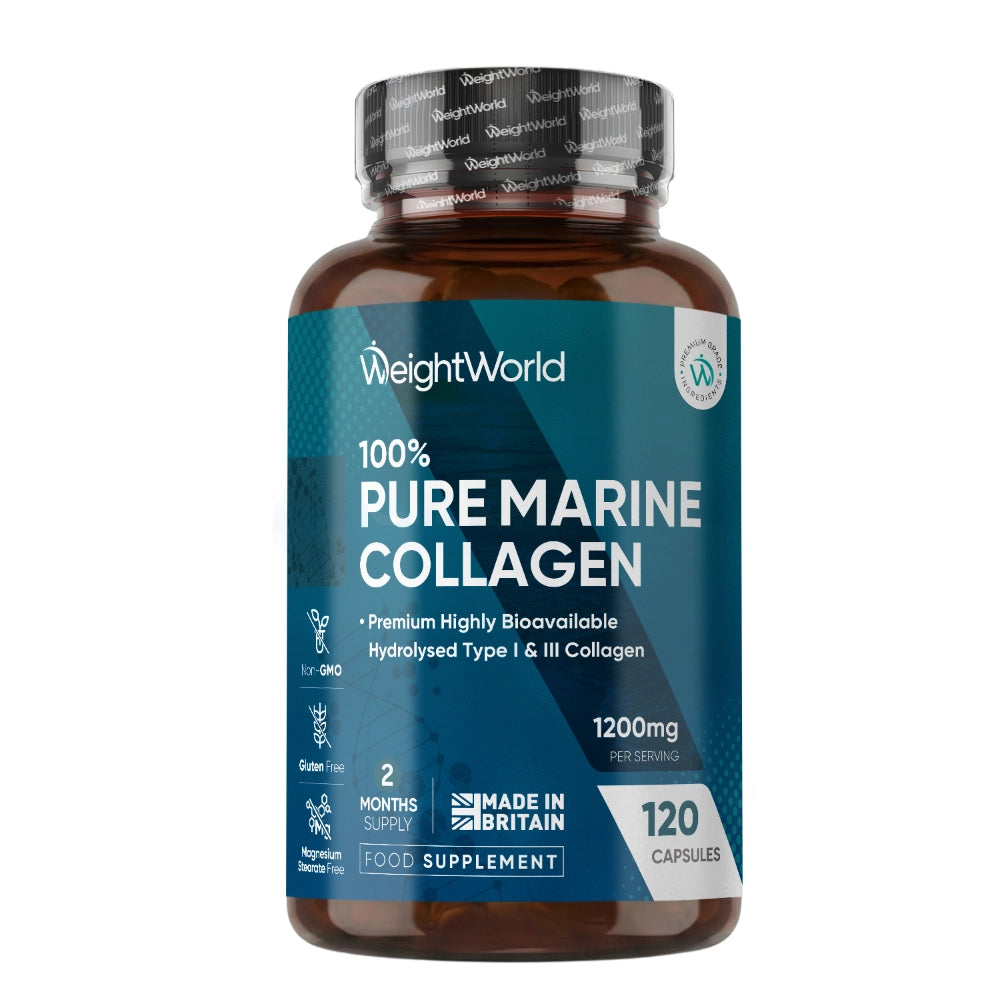
Collagen has become a cornerstone of modern wellness regimens, prized for its ability to support skin elasticity, joint health, and even metabolic function. With a market flooded by countless formulations, marine, bovine, hydrolyzed, and peptide-rich blends, choosing the right product can feel overwhelming. This guide breaks down the science, key selection criteria, and practical tips for identifying the most effective collagen supplement to achieve high-impact results, whether the goal is firmer skin, stronger connective tissue, or enhanced body composition.
Understanding the Types of Collagen
Collagen is the most abundant protein in the human body, but not all collagen is created equal. The three primary sources found in supplements are:
- Marine collagen: Derived from fish skin and scales, it is rich in Type I collagen, which is especially beneficial for skin, hair, and nail health.
- Bovine collagen: Sourced from cow hides, it contains a mix of Type I and Type III, supporting both skin and joint structures.
- Chicken collagen: Primarily Type II, this form targets cartilage and joint comfort.
When evaluating a product, consider the intended outcome. For visible skin improvements, marine collagen often delivers faster results due to its smaller peptide size, while bovine blends excel for overall connective-tissue support.
Key Factors for High-Impact Performance
1. Peptide Size and Bioavailability
Hydrolyzed collagen is broken down into peptides that the body can absorb more readily. Peptides under 3,000 Daltons are considered optimal for rapid uptake. Look for products that disclose peptide size or state “hydrolyzed” on the label.
2. Dosage and Daily Intake
Research consistently shows that 10-20″?grams of collagen per day yields measurable benefits. Supplements that provide at least 5″?grams per serving allow flexibility to reach the recommended range without excessive pill burden.
3. Purity and Additive Profile
A high-strength collagen supplement should contain minimal fillers, artificial flavors, or unnecessary sugars. Clean formulations reduce the risk of digestive upset and ensure that the majority of the capsule or powder is active collagen.
4. Supporting Nutrients
Vitamin”?C is a co-factor in collagen synthesis, and minerals like zinc and copper further enhance the process. Some premium blends incorporate these nutrients to boost the body’s natural production pathways.
Choosing the Right Product for Specific Goals
- Skin firmness and elasticity: Opt for marine collagen with a high concentration of Type”?I peptides and a proven bioavailability profile.
- Joint and cartilage support: Bovine or chicken collagen containing Types”?II and”?III is ideal, especially when combined with glucosamine or hyaluronic acid.
- Body composition and belly fat reduction: Emerging research suggests that collagen can aid in preserving lean muscle while promoting a healthier metabolism. For those targeting best collagen for belly fat, a product with added vitamin”?C and a balanced amino-acid profile may provide the edge.
- Overall strength and durability: Athletes seeking high strength collagen should prioritize high-dosage, hydrolyzed formulas that include supportive micronutrients.
Practical Tips for Maximizing Benefits
- Take collagen on an empty stomach or with a source of vitamin”?C to enhance absorption.
- Consistency is key, daily intake over 8-12 weeks is typically required to see noticeable changes.
- Combine supplementation with a balanced diet rich in protein, antioxidants, and healthy fats.
- Pair collagen with resistance training or low-impact exercise to support joint health and muscle maintenance.
Common Myths Debunked
Myth 1: All collagen supplements are the same. In reality, source, peptide size, and formulation differ dramatically, influencing efficacy.
Myth 2: Collagen alone can melt away belly fat. While collagen supports lean tissue, sustainable fat loss still requires a caloric deficit and regular activity.
Myth 3: You need to consume massive amounts for results. Clinical studies show that modest, consistent dosages (10-20″?g) are sufficient when paired with proper nutrition.
Conclusion
Selecting the best collagen for high-impact results hinges on understanding the type of collagen, its bioavailability, and how it aligns with personal health goals. By focusing on hydrolyzed, high-purity formulas, ensuring adequate daily dosage, and integrating supportive nutrients, users can experience measurable improvements in skin, joints, and overall body composition. Whether the aim is to enhance skin elasticity, support joint resilience, or complement a fitness regimen, a well-chosen collagen supplement, backed by scientific insight and clean manufacturing, offers a reliable pathway to tangible, lasting benefits.