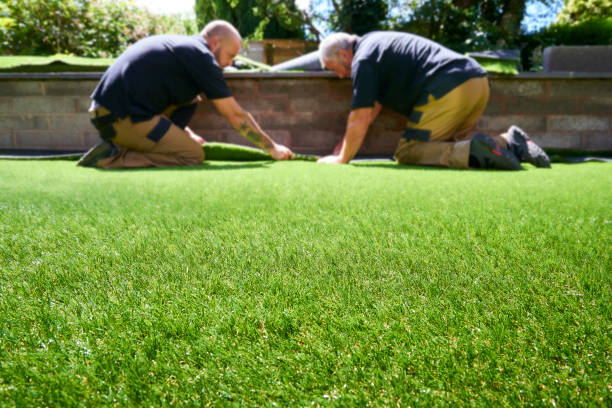
In the wake of rapid urbanization and environmental challenges, cities like Dubai are constantly seeking sustainable solutions to maintain their aesthetic appeal while conserving natural resources. Artificial landscaping has emerged as a viable option to achieve greenery and beautification without the drawbacks associated with natural landscaping. This innovative approach addresses both ecological concerns and the aesthetic demands of urban spaces.
Understanding Artificial Landscaping
Artificial landscaping involves the use of synthetic materials to create natural-looking environments. This includes elements such as artificial grass, plants, and trees designed to mimic their real counterparts. The primary focus is to provide a visually pleasing landscape that requires minimal maintenance and is resistant to extreme weather conditions.
The Appeal of Artificial Landscaping
- Low Maintenance: Artificial landscapes require less water, fertilizers, and pesticides compared to natural landscapes. This significantly reduces ongoing maintenance efforts and costs.
- Durability: Synthetic landscaping materials are designed to withstand harsh weather conditions, making them ideal for places with extreme climates like Dubai.
- Eco-Friendly: By using artificial landscaping in Dubai, water consumption is drastically reduced, aiding in water conservation efforts.
- Cost-Effective: While the initial installation cost can be high, the long-term savings on maintenance and water bills make it a cost-effective solution.
- Versatile Applications: Artificial landscapes can be used in a variety of settings, from residential gardens to large commercial spaces, offering flexibility in design.
Sustainability and Environmental Impact
The environmental benefits of artificial landscaping contribute significantly to its growing popularity. By reducing water usage and minimizing chemical runoff, synthetic landscapes help preserve local ecosystems. Furthermore, they eliminate the need for petrol-powered lawnmowers and other maintenance equipment, reducing carbon emissions.
Water Conservation
Water scarcity is a pressing issue in arid regions. Artificial landscaping offers a practical solution by eliminating the need for regular watering. This not only conserves a vital resource but also aligns with global efforts to combat water shortages.
Reducing Chemical Use
Natural landscaping often relies on chemical fertilizers and pesticides, which can have harmful effects on the environment. Artificial alternatives eliminate this dependency, promoting healthier ecosystems and reducing pollution.
Enhancing Urban Spaces
In urban areas, green spaces are essential for improving quality of life. They provide a respite from the concrete jungle and enhance the overall aesthetic of the city. Artificial landscaping makes it possible to incorporate green spaces in areas where natural landscaping is impractical due to space or environmental constraints.
Visual Appeal and Design Flexibility
Artificial landscapes can be customized to fit any design vision, providing the flexibility to create unique and visually appealing spaces. This can be particularly beneficial in a city like Dubai, known for its innovative architecture and urban design.
Year-Round Greenery
Unlike natural landscapes that may struggle to thrive in certain climates, artificial options remain lush and vibrant all year long. This ensures that urban spaces maintain their appeal regardless of the season.
Conclusion
As cities continue to expand and face environmental challenges, the demand for sustainable and aesthetically pleasing solutions like artificial landscaping is likely to grow. By offering a low-maintenance, eco-friendly alternative to traditional landscaping, artificial landscaping presents a promising solution for modern urban environments. For those interested in exploring the benefits of artificial landscaping in Dubai, understanding its impact on sustainability and urban design is crucial for making informed decisions.