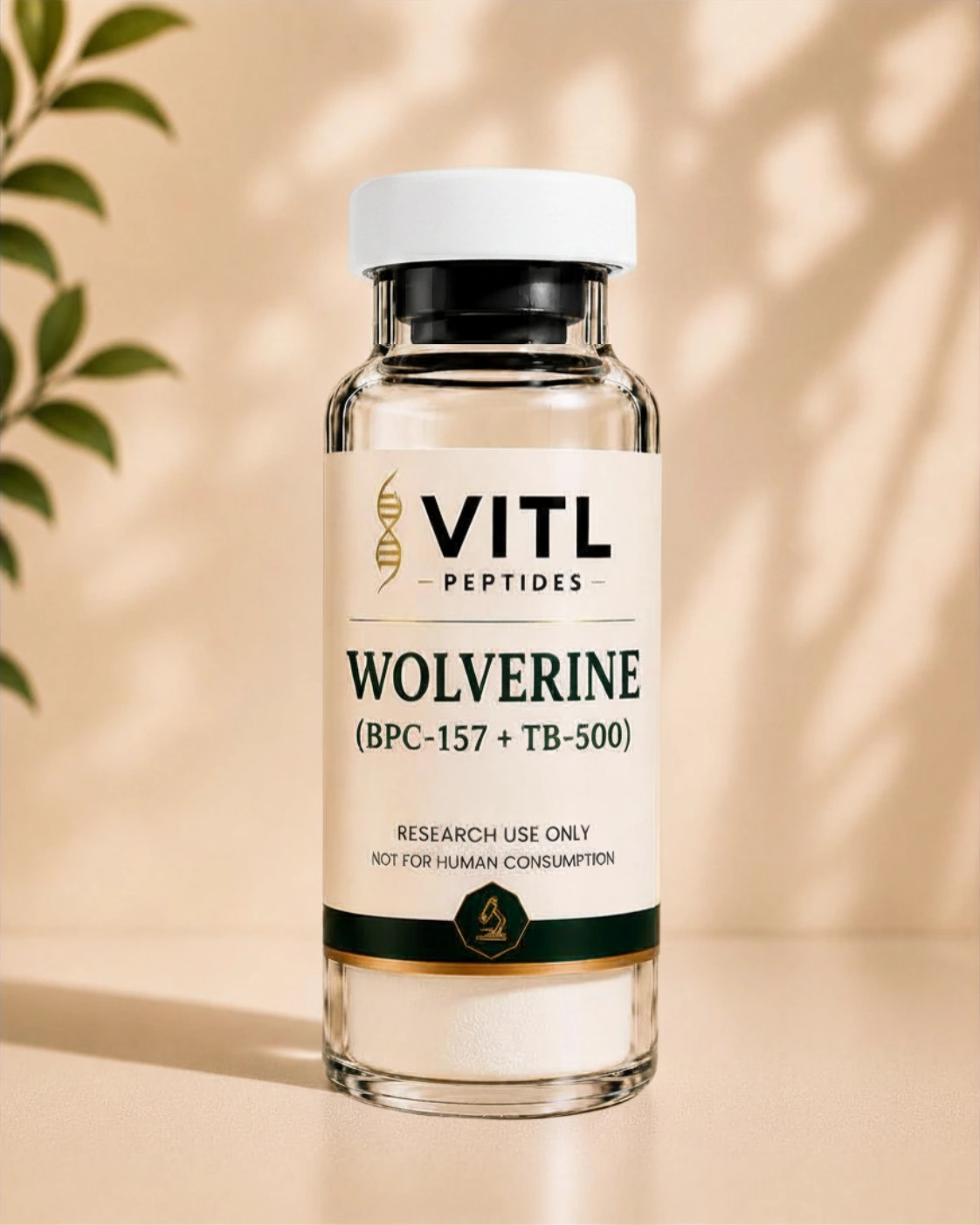
In recent years, the exploration of peptide compounds has gained significant traction in scientific research, particularly for their potential applications in regenerative medicine and healing. Among these, the combination of BPC-157 and TB-500, often referred to as Wolverine, stands out due to its promising properties. This research peptide is becoming increasingly popular among researchers looking to understand its multifaceted benefits and applications. By diving into the capabilities of the Wolverine (BPC-157 + TB-500) research peptide, it’s possible to unlock new pathways in therapeutic research, potentially providing insights that could revolutionize healing processes.
Understanding BPC-157 and TB-500
BPC-157 is a peptide derived from a protein found in the stomach, known for its potential to aid in the healing of muscles, tendons, and even the gut lining. Conversely, TB-500 is a synthetic version of a naturally occurring peptide that assists in the building of new blood vessels, muscle tissue, and even cell migration. When combined, these peptides form a potent duo that is the subject of extensive research.
The Science Behind the Combination
The combination of BPC-157 and TB-500 leverages the unique properties of each peptide to potentially:
- Enhance tissue repair and regeneration.
- Improve the healing of connective tissues.
- Accelerate recovery from injuries.
- Provide anti-inflammatory effects.
Researchers are particularly interested in how these peptides interact at a cellular level to promote healing and recovery, making them a focus for ongoing Wolverine (BPC-157 + TB-500) laboratory research.
Applications in Research
The broad spectrum of potential applications for the Wolverine (BPC-157 + TB-500) peptide makes it a valuable asset in various research fields. Current studies are exploring its effects on:
- Musculoskeletal injuries and disorders.
- Enhancement of muscle growth and repair.
- Alleviation of inflammation in chronic conditions.
- Potential for improving gut health and healing.
These areas of research highlight the versatility of Wolverine peptides, underscoring their potential impact on both acute and chronic conditions. The ongoing Wolverine (BPC-157 + TB-500) research USA initiatives continue to shed light on these applications, driving further interest and study.
Procurement and Quality Assurance
For researchers looking to buy Wolverine (BPC-157 + TB-500) peptide, ensuring the acquisition of high-quality, research-grade materials is paramount. The quality of peptides can significantly influence the outcomes of scientific studies. It is essential to source peptides from reputable suppliers that guarantee purity and potency.
Availability of Wolverine (BPC-157 + TB-500) peptide for sale in the research market is steadily increasing, providing researchers easier access to this promising compound for their studies. Ensuring the peptides meet stringent research standards is critical for obtaining reliable and replicable results.
Conclusion
The research grade Wolverine (BPC-157 + TB-500) peptide represents a significant leap in the potential for therapeutic advancements in tissue repair and regeneration. As research continues to delve into its mechanisms and effects, the scientific community remains optimistic about the possibilities it holds for future medical applications. By continuing to explore and understand this peptide combination, researchers can unlock new avenues for healing and recovery, ultimately contributing to advancements in medical science and patient care.