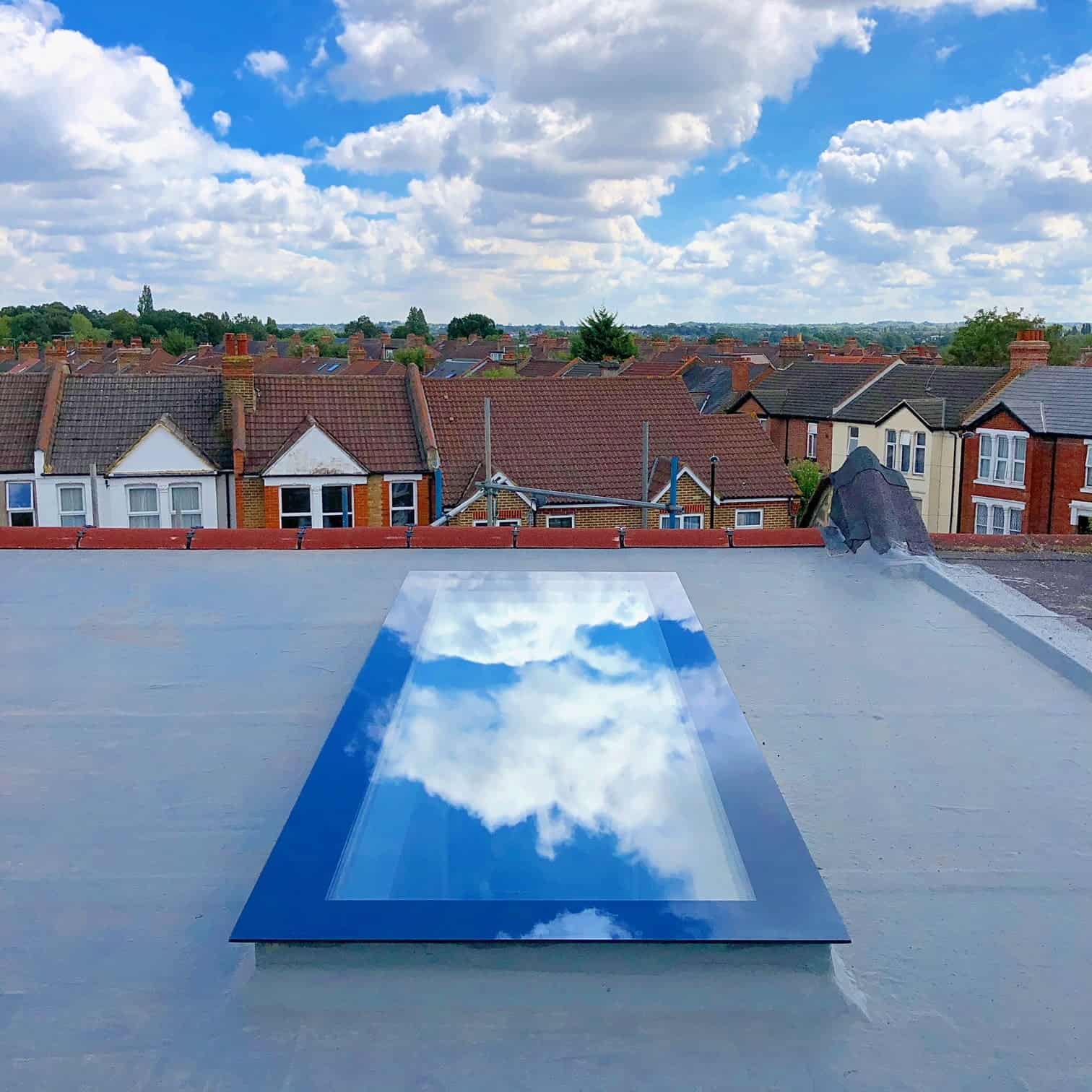
In today’s architectural landscape, the integration of natural light into building designs is more than a trend; it is a necessity driven by both aesthetic and functional considerations. Rooflight systems, in particular, offer a remarkable way to enhance interior spaces by flooding them with natural light, improving energy efficiency, and elevating the overall ambiance. As the demand for innovative rooflight solutions grows, understanding the variety of options and the technology behind them becomes essential for architects, builders, and homeowners alike.
The Evolution of Rooflight Systems
The journey of rooflight systems has been marked by continuous innovation, driven by advancements in technology and changing consumer needs. Modern rooflight solutions are designed to not only allow natural light in but also contribute to the energy efficiency and aesthetic appeal of buildings. Here are some key innovations:
- Integration of energy-efficient glazing technologies.
- Improved thermal insulation and soundproofing features.
- Automated systems for ventilation and shading.
These advancements ensure that rooflight systems are not only functional but also enhance the structural and environmental performance of buildings. Discover expert strategies here.
Types of Rooflight Systems
Choosing the right rooflight system can greatly influence the effectiveness and appeal of a space. Here are some popular types:
Flat Rooflights
Flat rooflights are ideal for modern, minimalist designs. They offer seamless integration with flat roofs, providing unobstructed views of the sky. Their sleek design is complemented by:
- Frameless options for a clean look.
- Available in fixed or opening versions for ventilation.
- Advanced glazing options for enhanced thermal performance.
Learn about our tailored solutions.
Pyramid Rooflights
Pyramid rooflights create a striking architectural feature, while also allowing for maximum light entry. These rooflights are characterized by:
- Unique geometric shapes that stand out.
- Enhanced structural integrity for various weather conditions.
- Compatibility with a range of roof types.
Pyramid rooflights can be customized to fit specific design needs, making them a versatile choice for many projects. Explore advanced guides and tips.
Benefits of Implementing Rooflight Systems
Implementing rooflight systems in a building project comes with a host of benefits that go beyond mere aesthetics:
- Natural Light: Enhances the ambiance and reduces dependency on artificial lighting.
- Energy Efficiency: Reduces energy consumption by leveraging natural light and improving insulation.
- Health and Well-Being: Improves occupants’ mood and productivity by providing access to daylight.
- Environmental Impact: Contributes to sustainable building practices.
With these benefits, rooflight systems are becoming an indispensable component of modern architecture. Find out more about this approach.
Considerations for Selecting Rooflight Systems
When selecting a rooflight system, several factors must be considered to ensure the best fit for a project:
- Location and Climate: Choose materials and designs that complement the local climate.
- Building Use: Consider the function of the space to determine the appropriate type and placement.
- Budget: Balance the initial investment with long-term energy savings and aesthetic value.
These considerations will guide the selection process and help in achieving a harmonious balance between functionality and design.
In conclusion, rooflight systems represent a critical innovation in modern construction, offering numerous advantages that align with both aesthetic desires and environmental responsibilities. By understanding the various types and benefits of rooflight systems, stakeholders can make informed decisions that enhance the quality and sustainability of their projects. For more insights and guidance on selecting the right rooflight system, visit Toughened Glass Systems.