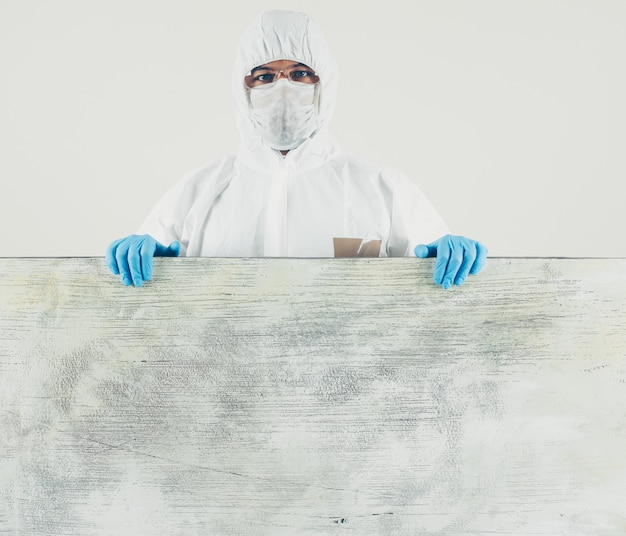
Mold infestation is a common problem faced by many property owners. It not only damages the structural integrity of the building but also poses significant health risks. The presence of mold can lead to respiratory issues, allergies, and other health complications. Finding an effective mold treatment near you is crucial to ensure a safe and healthy environment. This article provides essential insights into the strategies and methods used by professionals to tackle mold issues effectively.
Understanding Mold and Its Impact
Before diving into treatment options, it’s important to understand what mold is and the implications it carries.
- What is Mold? – Mold is a type of fungus that thrives in damp, humid environments. It can grow on a variety of surfaces, including walls, ceilings, and floors.
- Health Risks: – Prolonged exposure to mold can lead to health issues such as asthma, skin irritation, and sinus infections.
- Structural Damage: – Mold can weaken the structural elements of a building, leading to costly repairs.
Steps to Effective Mold Treatment
Addressing mold issues involves a systematic approach. Here are steps commonly adopted by specialists:
1. Inspection and Assessment
Professional mold treatment begins with a thorough inspection to assess the extent of the infestation. This step helps in identifying the type of mold and the areas affected. Discover expert strategies here.
2. Containment
To prevent the spread of mold spores, containment measures are implemented. This involves sealing off affected areas to stop mold from contaminating other parts of the building.
3. Air Filtration
High-efficiency air filtration systems are used to capture mold spores from the air, ensuring that the environment is safe to breathe. Learn about our tailored solutions.
4. Mold Removal
The actual removal of mold involves cleaning and removing infected materials. Specialized cleaning agents and techniques are employed to ensure thorough eradication.
5. Cleaning and Restoration
After mold removal, cleaning and restoration are crucial to return the property to its original condition. This may involve repairs to damaged structures or applying mold-resistant treatments to prevent future infestations.
Choosing the Right Mold Treatment Provider
Selecting a qualified and experienced professional is essential for effective mold treatment. Consider the following factors:
- Certification and Training: – Ensure that the provider has the necessary certifications and training to handle mold issues safely and effectively.
- Experience: – Look for providers with a proven track record in mold remediation. Explore advanced guides and tips.
- Comprehensive Services: – Opt for a provider who offers a full range of services, from inspection to restoration.
- Customer Reviews: – Check reviews and testimonials to gauge customer satisfaction and service quality.
Preventive Measures for Mold
Prevention is key to avoiding mold problems in the future. Here are some tips to minimize mold growth:
- Moisture Control: – Keep humidity levels low by using dehumidifiers and ensuring proper ventilation.
- Regular Inspections: – Conduct regular inspections to catch any signs of mold early.
- Quick Repairs: – Address leaks and water damage promptly to prevent mold-friendly conditions.
By following these steps and seeking professional help when necessary, property owners can effectively manage and prevent mold issues. Find out more about this approach.