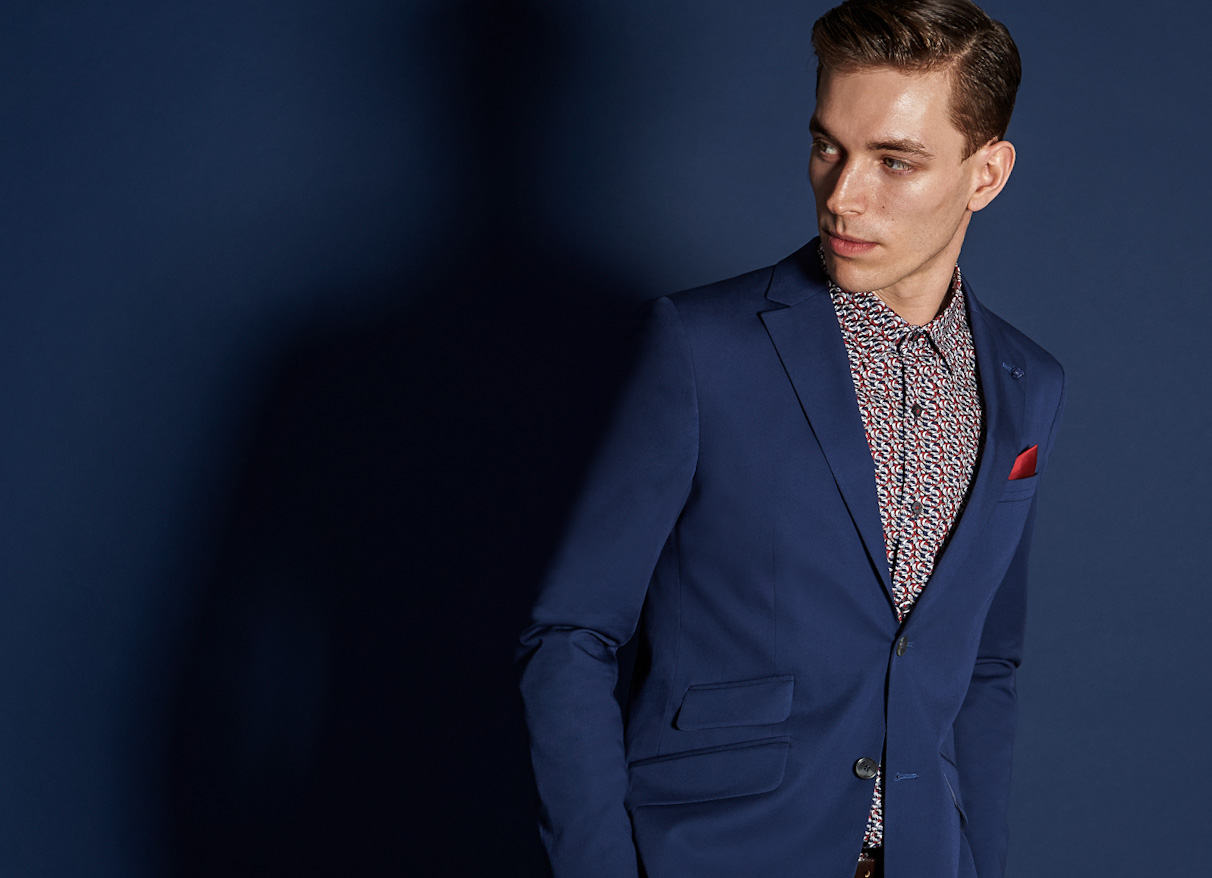
Male fashion photography is an art that combines the nuances of fashion with the technical prowess of photography. Capturing style in this niche requires an understanding of both the trends in men’s fashion and the techniques that can elevate a photograph from ordinary to extraordinary. Whether one is a seasoned photographer or an enthusiastic beginner, honing skills in this area can greatly impact the appeal and effectiveness of fashion imagery. This article delves into essential tips and insights for excelling in male fashion photography, ensuring that each shot resonates with style and sophistication.
Understanding the Essence of Male Fashion Photography
Male fashion photography is not just about capturing images; it’s about telling a story through style, pose, and expression. The photographer must comprehend the elements that define male fashion and how they can be accentuated through the lens. Here are key aspects to consider:
- Focus on the Model’s Attitude: Unlike female fashion photography, male shoots often emphasize strength, confidence, and charisma. The model’s posture and expression should convey these attributes.
- Embrace Variety in Wardrobe: Experiment with both classic and contemporary styles, from tailored suits to casual street wear, to showcase versatility.
- Attention to Detail: Accessories, such as watches, ties, and hats, can play a crucial role in enhancing the overall look and feel of the photos.
Technical Aspects of Capturing Style
Technical proficiency is the backbone of successful male fashion photography. Here are some technical tips to enhance the quality of your work:
Lighting Techniques
- Natural Light: When possible, utilize natural light to create soft and flattering images. Golden hour, the period shortly after sunrise or before sunset, is particularly effective.
- Studio Lighting: In a controlled environment, experiment with different lighting setups. Use a combination of softboxes, reflectors, and diffusers to manipulate shadows and highlights.
Camera Settings and Equipment
- Lens Selection: A prime lens with a wide aperture (e.g., 50mm f/1.8) can create a beautiful depth of field, isolating the subject from the background.
- Shutter Speed: A fast shutter speed is crucial for freezing motion, especially if the shoot involves dynamic poses or movements.
- ISO Settings: Keep ISO as low as possible to reduce noise, but don’t hesitate to increase it in low-light conditions to maintain image clarity.
Composition and Creativity
Creativity is the heart of fashion photography. A well-composed image can transform a standard pose into a captivating piece of art. Consider the following:
- Rule of Thirds: Use the rule of thirds to balance your composition, ensuring that the model”?s key features intersect with the grid lines.
- Angles and Perspectives: Experiment with different angles. Shooting from a lower vantage point can make the model appear more imposing, while overhead shots can provide a unique perspective.
- Backdrop and Environment: Choose a setting that complements the fashion style being showcased. Urban landscapes, natural settings, or minimalist backdrops can all add to the narrative.
Post-Processing for Professional Finishes
Post-processing is an integral part of male fashion photography, allowing for the refining and enhancement of images. Software such as Adobe Lightroom or Photoshop can be used to edit photos with precision.
- Color Correction: Adjust colors to ensure they are true to life, enhancing the vibrancy where necessary.
- Retouching: Subtle retouching can help in refining skin tones and removing any distractions, keeping the focus on fashion.
- Sharpening and Clarity: Enhance details to ensure the textures of fabrics and accessories are vividly captured.
In conclusion, mastering male fashion photography requires a blend of artistic vision and technical skill. By understanding the nuances of style, leveraging the right equipment, and embracing creativity, photographers can create compelling images that stand out in the competitive world of fashion. Those seeking to refine their skills can explore further resources on male fashion photography and continue their journey towards capturing style with precision and flair.