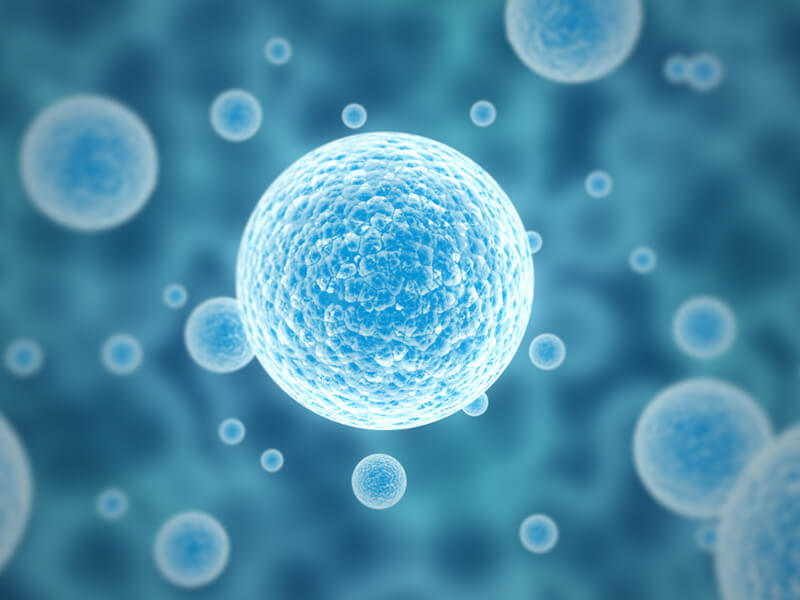
Regenerative medicine is poised to revolutionize healthcare as it introduces innovative methods to repair, replace, or regenerate human cells, tissues, or organs, restoring normal function. Among the various sources of stem cells, cord blood stem cells have emerged as a focal point due to their unique properties and potential applications. As the field progresses, the strategic use of cord stem cells is set to redefine treatment modalities for a multitude of diseases and health conditions. This exploration into the future of regenerative medicine highlights the role of cord stem cells in advancing medical science.
The Unique Properties of Cord Stem Cells
Cord blood stem cells, extracted from the umbilical cord after childbirth, possess several distinguishing characteristics making them particularly valuable in regenerative medicine:
- High Proliferation Rate: Cord stem cells multiply rapidly, providing a substantial number of cells for therapeutic use.
- Reduced Risk of Graft-Versus-Host Disease: These cells are less likely to be rejected by the recipient’s body, minimizing complications.
- Versatility in Differentiation: They can develop into various cell types, offering broad therapeutic potential.
Find out more about this approach by visiting this resource.
Applications in Modern Medicine
The use of cord blood stem cells is expanding across various fields, promising advancements in treatment protocols:
Hematopoietic Disorders
Cord stem cells have been successfully used in treating blood-related disorders such as leukemia and anemia. They provide a viable alternative to bone marrow transplants, offering a higher matching probability and faster recovery times. Explore advanced guides and tips to understand how these treatments are administered.
Neurodegenerative Diseases
Research is underway to employ cord stem cells in the treatment of neurodegenerative diseases like Parkinson’s and Alzheimer’s. Their ability to differentiate into neural cells offers hope for repairing damaged brain tissues and restoring neurological function.
Cardiovascular Repair
Cardiovascular diseases remain a leading cause of mortality worldwide. Cord stem cells are being investigated for their potential to regenerate heart tissue, offering a novel approach to treating heart disease and improving patient outcomes. Discover expert strategies here for integrating these therapies into clinical practice.
Challenges and Considerations
While the promise of cord stem cells is immense, several challenges must be addressed to fully realize their potential:
- Ethical Concerns: The collection and use of cord blood involve ethical considerations that must be carefully navigated.
- Regulatory Hurdles: Ensuring compliance with regulatory standards is essential for the safe and effective application of stem cell therapies.
- Research and Development: Continued investment in research is crucial to uncover new applications and improve existing methodologies.
Learn about our tailored solutions to address these challenges by visiting this page.
Future Directions
The future of regenerative medicine with cord stem cells is both exciting and transformative. Ongoing research aims to broaden their application scope, enhancing their efficacy and accessibility. Collaboration between scientists, healthcare professionals, and policymakers is vital to overcoming current barriers and propelling the field forward. Explore the possibilities that lie ahead in harnessing the full power of cord stem cells.
With continued advancements, cord stem cells are expected to play a pivotal role in shaping the future of medicine, offering hope to millions of patients worldwide. As this field evolves, staying informed and engaged with the latest developments will ensure that healthcare continues to benefit from these groundbreaking innovations.